In order to prepare people for daily living, work, entrepreneurship, and community development, education and life skills are crucial. While education provides students with technical skills and academic information, lifeskills enable them to use that knowledge in practical settings.
For instance, while a student may learn mathematics in the classroom, knowing how to make a personal budget is a useful life skill. In a similar vein, a university student may study business management, but in order to excel in the job, they also need to have strong communication, teamwork, time management, and problem-solving abilities.
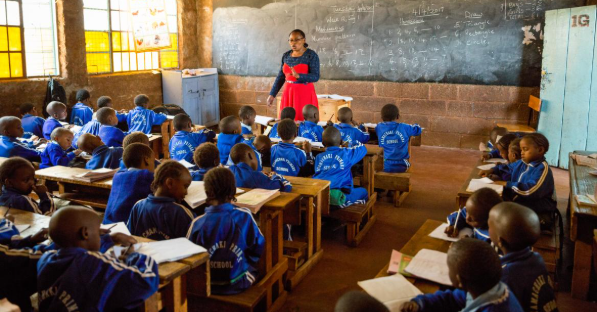
》 What Is Education and Lifeskills?
Education is the process of gaining knowledge, skills, values, and understanding through schools, colleges, universities, vocational institutions, online courses, workplaces, and other learning environments.
Lifeskills are practical abilities that help people manage daily responsibilities and make effective decisions. They include communication, problem-solving, critical thinking, teamwork, leadership, financial literacy, time management, decision-making, and adaptability.
The combination of education and lifeskills allows learners to connect classroom knowledge with real-life situations.
》 Real-World Example: Learning Mathematics and Managing Money
Mathematics is taught in schools as an academic subject, but its practical application can be seen in everyday financial decisions.
For example, a secondary school student may learn percentages in mathematics. That knowledge can later be used to calculate discounts when shopping, understand loan interest, compare prices, or create a household budget.
A young person who earns money from employment or a small business can use budgeting skills to divide income between food, transportation, savings, education, and other expenses.
This demonstrates how classroom education can support practical financial lifeskills.
》 Real-World Example: Science Education and Healthcare
Science education provides knowledge about biology, chemistry, physics, and the human body. These subjects have direct applications in healthcare and other professional fields.
For example, a nursing student studies human anatomy, physiology, medication principles, and patient care. In a real healthcare environment, the student must combine this academic knowledge with communication, teamwork, decision-making, and empathy when interacting with patients.
A healthcare professional therefore needs both technical education and practical lifeskills.
》 Real-World Example: Vocational Education and Employment
Vocational education is another practical example of how education and lifeskills work together.
A student studying electrical installation may learn how electrical systems work, how to read technical diagrams, and how to install equipment safely. However, becoming successful in the workplace also requires communication with customers, time management, problem-solving, teamwork, and business skills.
For example, an electrician working independently may need to calculate the cost of materials, communicate a quotation to a customer, complete work within an agreed deadline, and maintain professional relationships.
Technical education provides the foundation, while lifeskills support successful application of that knowledge.
》 Real-World Example: Computer Education and Digital Skills
Computer education has become increasingly important in modern learning and employment.
A student may learn how to use word-processing software, spreadsheets, presentation tools, email, and online research platforms. These skills can later be applied when preparing a CV, creating a business budget, writing reports, analyzing information, or communicating with employers.
For example, an administrative assistant may use spreadsheet software to organize financial information and email applications to communicate with customers or colleagues.
Digital literacy is therefore both an educational skill and an important modern lifeskill.
》 Real-World Example: Group Projects and Teamwork
Many schools and universities use group assignments to help students learn how to work with others.
For example, students may be asked to research a topic, divide responsibilities, prepare a presentation, and present their findings to the class. Each student must communicate with team members, meet deadlines, listen to different opinions, and contribute to the final project.
These experiences can prepare learners for professional environments where employees commonly work as part of teams.
》 Real-World Example: Entrepreneurship Education
Entrepreneurship education provides another connection between academic learning and practical lifeskills.
A student interested in starting a small food business, clothing business, computer accessories shop, or agricultural enterprise needs more than an idea. They may need to understand budgeting, pricing, marketing, customer service, record keeping, and business planning.
For example, a student selling products through social media can apply marketing knowledge by creating promotional content, communicating with customers through messaging platforms, recording sales, and managing stock.
This combines education with practical business lifeskills.
》 Real-World Example: Online Learning
Online education has created new opportunities for people to develop both academic and practical skills.
Platforms such as Coursera and Udemy provide courses in areas such as technology, business, communication, data analysis, project management, and professional development.
For example, someone interested in data analysis can learn spreadsheet skills, statistics, and data visualization online. They can then practice by analyzing a small dataset and use the resulting project as evidence of their skills when applying for employment.
》 Real-World Example: Education and Agriculture
Agricultural education can also be connected directly to lifeskills and community development.
A student studying agriculture may learn about crop production, soil management, livestock, irrigation, and agricultural economics. In the field, however, the learner may also need communication and problem-solving skills when working with farmers.
For example, an agricultural extension officer may teach farmers how to improve crop production while also collecting information, preparing reports, organizing training sessions, and responding to farmers’ questions.
This shows how technical education and interpersonal lifeskills can work together.
》 Real-World Example: Communication and Job Interviews
Education can help a person meet the academic requirements for a job, but communication skills can influence how effectively they present their qualifications.
For example, a university graduate applying for an administrative position may have the required degree but also needs to explain their experience clearly during an interview.
They may be asked to describe how they handled a difficult situation, worked within a team, solved a problem, or managed multiple deadlines. These questions test practical lifeskills in addition to academic qualifications.
》 Real-World Example: Problem-Solving in the Workplace
Problem-solving is one of the most valuable lifeskills that education can help develop.
For example, a computer technician may discover that a client’s computer network is not working. The technician must identify the possible cause, test different solutions, communicate with the client, and restore the system.
The technical knowledge may come from formal education or training, while the ability to analyze the situation, communicate clearly, and remain organized involves practical lifeskills.
》 How Schools Can Develop Lifeskills
Schools can integrate lifeskills into normal learning activities rather than treating them as completely separate subjects.
Students can develop practical abilities through:
● Community service
● Computer and digital skills training
● Debates and presentations
● Practical science and vocational activities
● School clubs and leadership activities
● Sports and teamwork
● Career guidance programs
● Entrepreneurship projects
● Financial literacy activities
These activities allow students to practice skills that they may later need at university, in employment, in business, and in their communities.
》 Why Education and Lifeskills Matter for Young People
Young people face many decisions involving education, careers, finances, relationships, technology, and personal development. Academic knowledge can help them understand these areas, while lifeskills can help them make practical decisions.
For example, a young graduate searching for employment may need to prepare a professional CV, search for suitable vacancies, communicate with employers, attend interviews, manage rejection, and continue developing new skills.
These activities demonstrate why education should not only focus on examinations but also prepare learners for real-life responsibilities.
In conclusion
There is a close relationship between education and life skills. Healthcare, agriculture, vocational training, technology, entrepreneurship, financial management, and employment are just a few real-world examples that demonstrate how academic knowledge gains practical application.
Through classroom instruction, real-world projects, internships, career training, online courses, volunteer work, teamwork, and community service, students can hone these skills.
Therefore, the purpose of education should go beyond passing tests. Additionally, it should assist students in acquiring the knowledge, self-assurance, practical skills, and responsible decision-making qualities necessary to successfully engage in daily life and the contemporary economy.