One of the biggest worldwide issues of the twenty-first century is climate change. Every aspect of society, including education, is being impacted by rising temperatures, protracted droughts, floods, storms, and other extreme weather occurrences. Climate-related disasters that destroy schools, uproot families, and limit access to high-quality education cause learning disruptions for millions of pupils worldwide. Due to their lack of funding and infrastructure, developing nations—particularly those in Africa—are among the most vulnerable. To ensure sustainable development and safeguard students’ futures, it is crucial to comprehend how climate change affects education and put effective control measures in place.
The Impact of Climate Change on Education
Education is disrupted by climate change in numerous ways. Floods, cyclones, landslides, and strong winds frequently cause damage to schools, necessitating the suspension of educational activities for both students and teachers. Families may relocate in areas with protracted drought in quest of food, water, and work, which raises dropout and absence rates. Furthermore, excessive heat can cause discomfort in classrooms, which lowers student focus, attendance, and academic achievement.

Risk to School Infrastructure
Educational Facility Damage
A lot of schools are not built to survive extreme weather. Classrooms, libraries, labs, furniture, and educational supplies can all be destroyed by flooding. School buildings may become dangerous due to landslides and erosion, and roofs may be blown away during storms. Students’ return to classrooms is sometimes delayed by the substantial financial resources needed to repair damaged infrastructure.
Interruption of Educational Materials
Textbooks, computers, internet facilities, and lab equipment are often damaged by climate disasters. Due to the difficulty and cost of replenishing these resources, schools in rural locations are especially vulnerable. Students consequently miss out on important educational possibilities.
Impacts on the Health and Education of Students
In many areas, diseases including dengue fever, cholera, and malaria are spreading due to climate change. While hunger brought on by food poverty impairs children’s capacity to focus and study successfully, sick kids miss class. Additionally, high temperatures exacerbate tension and exhaustion, which has a detrimental impact on both teachers and children.
Another issue that is becoming more and more important is mental health. Children who are affected by floods, wildfires, or displacement may develop trauma, anxiety, or sadness. Academic performance and motivation are frequently lowered by these emotional difficulties.
Effects on Educational Systems and Teachers
Climate change has an impact on teachers as well. While some experience transit difficulties due to damaged roads and infrastructure, others are displaced by natural catastrophes. Exams, instructional plans, and academic schedules are all disrupted by school closures. Redirecting education expenditures toward emergency disaster response may require governments to cut back on funding for teacher preparation, school expansion, and educational technology.
Education’s Economic Repercussions
Household earnings are impacted by climate change because it reduces fisheries, agriculture, and other livelihoods that are vulnerable to climate change. Families that are struggling financially can put food and shelter ahead of schooling. There is a rise in child labor and a decline in educational attainment when youngsters are pulled out of school to work or assist with home finances.
Additionally, governments must pay more for disaster relief and school reconstruction, which leaves less money for raising the standard of education.
Climate Change and Inequality in Education
Not everyone is affected by climate change in the same way. During climate emergencies, children from low-income households, rural areas, refugee populations, and marginalized groups are more likely to lose access to school. Girls are more at risk because they are less likely to return to school after disruptions due to increased family obligations during disasters.
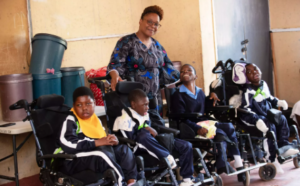
Damage to educational facilities and transportation systems presents significant challenges for students with impairments.
Control Strategies to Lessen the Effects of Climate Change on Education
Constructing Schools That Are Climate Resilient
Governments ought to spend money building schools that are resilient to earthquakes, floods, storms, and intense heat. Stronger foundations, better drainage systems, reinforced roofing, and adequate ventilation are all characteristics of climate-resilient buildings. Additionally, whenever feasible, schools should be situated away from high-risk and flood-prone locations.
Including Climate Education in the Curriculum
All school levels should incorporate climate change education into their curricula. Pupils must comprehend sustainable development, renewable energy, climatic science, environmental preservation, and disaster preparedness. Teaching youth promotes eco-friendly behavior and equips future leaders to tackle climate issues.
Enhancing Early Warning Systems
In order to enable staff and students to act swiftly in the event of a natural disaster, schools should set up early warning systems and emergency preparedness plans. Disaster response training, emergency communication systems, and routine evacuation drills can all greatly lower casualties and interruptions.
Increasing Digital Education
When schools are closed due to climate disasters, online learning resources can aid continue instruction. Particularly in rural areas, governments should enhance digital infrastructure, electrical supply, and internet access. Remote learning systems can be strengthened by offering reasonably priced devices and instructor training.
Enhancing Sanitation and Water Facilities
Reliable access to sanitary facilities, clean water, and appropriate hygiene services are essential for climate-resilient schools. During times of drought or water scarcity, rainwater collection systems, solar-powered water pumps, and better sanitation all contribute to the maintenance of healthy learning environments.
Encouraging the Planting of Trees and Environmental Preservation
By starting environmental groups, planting trees, developing school gardens, and encouraging recycling initiatives, schools may help combat climate change. These initiatives educate students useful sustainability skills while also improving local habitats.
The Function of International Organizations and Governments
The education sector should receive more funding from governments for climate adaptation. This include building disaster response plans, bolstering infrastructure, assisting with teacher preparation, and making sure schools continue to run in the event of a climate emergency. Vulnerable communities can get financial support, technical aid, and emergency education from non-governmental organizations, international organizations, and development partners.
Participation in the Community
Local groups, parents, and community leaders are crucial in preventing disruptions to schooling caused by climate change. Communities can encourage children to stay in school following climate events, support school upkeep, take part in disaster preparedness programs, and advocate environmental conservation.
Because it damages school infrastructure, interferes with learning, raises health risks, and widens educational disparities, climate change poses a major danger to education. Millions of youngsters may continue to face interrupted education and less learning chances in the absence of meaningful intervention. However, by making investments in climate-resilient infrastructure, incorporating climate education into school curricula, growing digital learning, enhancing disaster preparedness, and encouraging sustainable environmental practices, governments, schools, communities, and international partners can lessen these effects. Building resilient communities and ensuring that future generations have the knowledge and skills necessary to create a more sustainable society depend on protecting education from the consequences of climate change.