Teaching pupils to read, write, and answer mathematical problems is only one aspect of modern education. In the quickly evolving world of today, education also emphasizes the development of useful life skills that enable people to thrive in the classroom, at work, and in daily life. Communication, critical thinking, creativity, problem-solving, teamwork, emotional intelligence, digital literacy, and financial responsibility are some of these life skills. Modern education equips students to become self-assured, responsible, and contributing members of society by fusing academic knowledge with fundamental life skills.
Modern Education: What Is It?
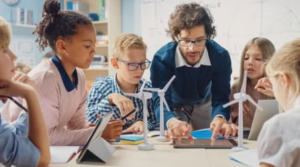
Modern education is a method of teaching that incorporates innovation, technology, and real-world experiences. In contrast to conventional education, which frequently places an emphasis on memorizing, modern education promotes independent thought, questioning, problem-solving, and teamwork among students.
Important aspects of contemporary schooling consist of:
● Learning that is focused on the student
● Integration of technology
● Project-based and hands-on learning
● Thinking critically and creatively
● Ongoing evaluation
● Opportunities for lifetime learning
These methods guarantee that students acquire critical life skills in addition to academic brilliance.
The Significance of Life Skills
Life skills are aptitudes that help people deal with problems in daily life. They support people in managing their emotions, communicating with assurance, making well-informed decisions, and adjusting to shifting circumstances.
Crucial life skills consist of:
Communication Proficiency
Clear idea expression, attentive listening, and the development of positive connections in both personal and professional contexts are all made possible by effective communication.
Thinking Critically
Instead than depending on presumptions, critical thinking enables students to study data, assess the evidence, and reach logical conclusions.
Problem-Solving Techniques
Through hands-on learning experiences, modern education enables students to recognize problems, investigate solutions, and make well-informed decisions.
Intelligence on an emotional level
People can strengthen their relationships, lessen conflict, and enhance their mental health by comprehending and controlling their emotions.
Cooperation and Teamwork
Students who collaborate well are more prepared for today’s jobs, where teamwork is crucial to success.
Technology’s Place in Contemporary Education
Technology has revolutionized education by increasing accessibility, flexibility, and interactivity. Thanks to digital platforms, online courses, and virtual classrooms, students can now access educational resources from any location.
Among the advantages of educational technology are:
》 Information is easily accessible
》Interactive educational opportunities
》 Opportunities for individualized learning
》 Enhanced proficiency with digital technology
》 Improved cooperation with online resources
Digital skills are now necessary for both lifetime study and future work.
Increasing Educational Financial Literacy
A crucial life skill that is being emphasized more and more in contemporary education is financial literacy. Students get knowledge on how to:
Make and oversee budgets
》 Effectively save money
》 Recognize financial services
》 Make responsible use of credit
》 Make wise financial choices.
These abilities aid people in achieving long-term stability and financial independence.
Building Leadership Capabilities
Through group discussions, presentations, volunteer work, and student clubs, modern schools foster leadership. Students benefit from leadership education:
》Develop self-assurance
》Assume accountability
》Encourage others
》Make moral choices.
》Effectively oversee projects
Success in the workplace and in society is influenced by strong leadership abilities.
Encouraging Innovation and Creativity
Innovation propels both social and economic advancement. Through participation in science projects, entrepreneurship programs, design thinking exercises, and creative arts, students are encouraged to think creatively in modern education.
Creative learners develop into more adept problem solvers who can adjust to evolving workplace needs and new technologies.
Getting Students Ready for Future Careers
Academic credentials alone are not enough in today’s work market. Practical skills like communication, flexibility, cooperation, and digital competency are becoming more and more important to employers.
In order to prepare students, modern education offers:
》 Career counseling
》Opportunities for internships
》Vocational and technical instruction
》 Education in entrepreneurship
》 Technological and digital abilities
These encounters enhance career preparedness and employability.
The Value of Continued Education
After graduation, learning never stops. By encouraging people to constantly acquire new abilities throughout their lifetimes, modern education fosters lifelong learning.
Lifelong learners are more likely to:
》 Adjust to changes in technology
》 Promote their professions
》Enhance your own growth
》Continue to be competitive in the employment market.
》Make a constructive contribution to society
Modern Education’s Challenges
Modern schooling has many benefits, but it also has certain drawbacks.
》Some societies have limited access to technology.
》Problems with internet connectivity
》Exorbitant expenses for digital infrastructure
》Lack of qualified educators
》Inequitable access to high-quality education
Governments, educational institutions, businesses, and communities must all make investments to address these issues.
Methods for Enhancing the Teaching of Life Skills
In order to improve life skills through contemporary education, educators and legislators ought to:
》Include life skills in the curriculum.
》Encourage hands-on, project-based learning.
》Promote digital literacy at a young age.
》Encourage teachers to receive training in contemporary teaching techniques.
》Establish collaborations between educational institutions and business sectors.
》Encourage volunteerism and community service initiatives.
》Encourage pupils to be innovative and entrepreneurial.
Modern Education’s Advantages for Society
Societies gain several advantages when education fosters the development of both academic knowledge and life skills, such as:
Increased rates of employment
》 Enhanced creativity
》 More robust economies
》Improved wellbeing and health
》Decreased poverty
》 Conscientious citizenship
》 Development of sustainable communities
People with more education are better able to solve issues, promote economic expansion, and help create inclusive, peaceful society.
In conclusion
By fusing academic knowledge with real-world skills necessary for success in the twenty-first century, modern education is revolutionizing the way individuals learn. Students are better equipped for everyday difficulties and future occupations through technology, critical thinking, communication, leadership, financial literacy, and lifetime learning. Investing in the development of life skills can help people lead successful lives while strengthening communities and promoting sustainable national development as educational systems continue to change.