The world economy is changing quickly due to artificial intelligence (AI), and African companies are using this technology more and more to hasten economic independence. The ability of people, organizations, and countries to attain sustainable economic growth, generate jobs, lessen poverty, and successfully participate in international markets is referred to as economic emancipation. AI is developing into a potent tool that helps companies in Africa increase productivity, open up new markets, and provide creative answers to persistent economic problems. AI has tremendous potential for African businesses, despite obstacles including inadequate digital infrastructure and a lack of qualified workers.
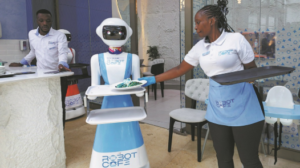
AI Increases Business Productivity
The power of AI to automate repetitive commercial procedures is one of its biggest effects. AI-powered software is being used by African businesses to handle data analysis, bookkeeping, inventory control, and customer service. Automation boosts accuracy and production while lowering operating expenses. The foundation of many African economies are small and medium-sized businesses (SMEs), which gain by being able to accomplish tasks more effectively with fewer resources.
Increased Financial Inclusion
Financial services in Africa have been transformed by AI. AI is used by banks and financial technology (fintech) firms to evaluate creditworthiness, identify fraud, and offer individualized financial services. Many entrepreneurs who previously lacked access to conventional banking can now acquire digital loans through AI-based credit rating systems that examine mobile money transactions and business operations. Opportunities for investment and entrepreneurship have increased as a result.
Encouraging the Development of Agriculture
AI is greatly increasing production in agriculture, which is still one of Africa’s biggest economic sectors. AI-powered tools help farmers predict weather patterns, detect crop illnesses, monitor soil conditions, and manage irrigation. These technologies improve food security, lower losses, and raise crop yields. Higher household incomes and stronger rural economies are two benefits of increased agricultural output.
Improving Healthcare Companies
AI is being used by healthcare providers more and more to enhance medical research, patient care, and diagnosis. AI supports telemedicine services in rural places and helps physicians diagnose illnesses more rapidly and precisely. Healthcare startups are creating cutting-edge AI-based medical solutions that lower healthcare costs and increase access to high-quality services, resulting in populations that are healthier and more productive.

Growing Digital Trade and E-Commerce
Online firms in Africa have grown faster thanks to AI. AI is used by e-commerce businesses to optimize delivery routes, manage stocks, personalize consumer experiences, and provide product recommendations. While businesses boost sales and customer satisfaction, consumers benefit from quicker services. AI-powered digital marketing increases export prospects by assisting African companies in reaching foreign consumers.
Creating Jobs in New Industries
While AI eliminates some repetitive tasks, it also generates completely new work prospects. Software developers, AI engineers, cybersecurity specialists, data scientists, machine learning experts, and digital marketers are in more demand. Young Africans with digital skills can create technological businesses that boost the country’s economy or land well-paying jobs.
Encouraging Entrepreneurship and Innovation
AI fosters innovation by empowering businesspeople to create intelligent goods and services that tackle regional issues. AI is being used by African entrepreneurs to address issues in financial services, healthcare, education, transportation, and agriculture. Innovation helps create competitive economies that rely less on imported technologies by drawing both domestic and foreign investment.
Increasing Production Efficiency
AI is being used by manufacturing firms to monitor production lines, anticipate equipment problems, enhance quality control, and cut waste. Factories may produce goods more effectively while reducing operating expenses thanks to smart manufacturing. Africa’s competitiveness in regional and global markets is strengthened by increased industrial productivity.
Using Data Analytics to Make Better Decisions
Businesses can swiftly and precisely evaluate vast amounts of data thanks to AI. Businesses are better able to predict demand, recognize market trends, comprehend consumer behavior, and make well-informed business decisions. Data-driven decision-making lowers risks and facilitates more efficient resource allocation for companies.
Encouraging Education and the Development of Skills
AI is used by educational institutions and online learning platforms to enhance student performance and tailor learning experiences. AI-powered educational resources assist students in developing the digital skills needed in today’s workplaces. Africa’s long-term economic freedom and digital transformation depend on developing a trained labor force.
Challenges Facing AI Adoption
Adoption of AI in Africa confronts a number of challenges despite its advantages. Limited internet connectivity, poor electrical supply, insufficient digital infrastructure, and exorbitant technology expenses delay implementation. In addition, several nations struggle with a lack of AI experts and little funding for R&D. Stronger legal and regulatory frameworks are needed to address issues with data privacy, cybersecurity, algorithmic bias, and ethical AI governance.

Government and Private Sector Collaboration
To optimize AI’s advantages, governments, businesses, academic institutions, and development organizations must collaborate. Adoption of AI will be accelerated by investments in broadband infrastructure, digital literacy, innovation centers, research institutions, and startup funding. Sustainable economic growth requires public policies that support ethical AI development while defending consumer privacy and human rights.
Conclusion
For African companies, artificial intelligence is emerging as a major force for economic liberation. AI is making firms more competitive in the global economy by boosting productivity, fostering innovation, increasing financial inclusion, bolstering agriculture, improving healthcare, and generating new job opportunities. Even if there are still obstacles to overcome, African nations will be able to fully utilize AI if they continue to invest in infrastructure, technology, education, and efficient governance. AI has the potential to be a potent accelerator for sustainable development, equitable economic growth, and poverty alleviation throughout the African continent if it is handled properly.