There is more to selling a car than just giving up ownership and getting paid. One of the most critical obligations after the sale is updating your car insurance coverage. In most nations, insurance does not instantly transfer to the new owner, despite the misconception held by many car owners. Since insurance plans are contracts between the policyholder and the insurer, the seller is required to notify the insurance company right away following the transaction. Adhering to the proper protocols guarantees that the buyer and seller are both financially secure, helps avoid legal problems, and prevents needless premium payments.

Reasons to Update Your Auto Insurance
Prevent Future Liability
You can continue to be listed as the insured owner if your insurance provider is not notified that the car has been sold. Should the new owner become involved in an accident or commit a traffic offence before obtaining new insurance, complications could develop. You can avoid needless legal and financial concerns by keeping your insurance records up to date.
Conserve Money
You can avoid paying rates for a car you no longer own by canceling or transferring your insurance coverage. Depending on the terms and circumstances of the insurance, several insurers also offer refunds for the percentage of prepaid premiums that are not used.
Notify Your Insurance Company Immediately
Contact the Insurer
The first step after selling your vehicle is to tell your insurance company. Most insurers allow customers to report the sale through customer service, branch offices, websites, or mobile applications. Early notice guarantees that your records are updated right away.
Give Correct Information
When getting in touch with your insurance, you ought to include:
: The registration number of the vehicle
: The policy number
: The sale date
: Information about the buyer, if needed
: A copy of the selling contract or evidence of the transfer of ownership
Providing complete information helps the insurance handle your request swiftly.
Decide Whether to Cancel or Transfer Your Policy
Cancelling the Insurance Policy
It could be advisable to cancel your insurance if you don’t plan to buy another car right away. After the cancellation is authorized, ask for a formal confirmation and find out if you are eligible for a partial premium reimbursement.
Changing the Policy to a Different Car
Many insurance providers let you transfer your current policy if you’ve bought a replacement car. Before deciding on the updated premium, the insurer will assess the new car based on variables including its market worth, model, age, engine capacity, repair expenses, and expected use.
Prepare the Required Documents
Crucial Records
Before processing a cancellation or transfer request, the majority of insurance firms need a number of supporting documents. Typically, these consist of:
: Vehicle sale agreement
: Proof of ownership transfer
: National identity card or passport
: Existing insurance certificate
: Vehicle registration paperwork
: Details of the replacement car, if relevant
Having all documentation available saves processing delays.
Complete the Legal Ownership Transfer
Register the Sale
In addition to notifying your insurance company, you need to confirm that the car’s ownership has been lawfully transferred through the relevant motor vehicle registration authority. Completing this process formally removes your liability for the vehicle and allows the buyer to register it under their own name.
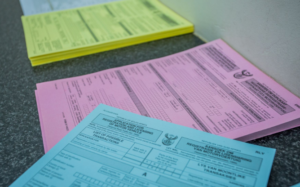
The seller may be subject to future legal claims, traffic fines, or tax responsibilities if ownership is not transferred in a timely manner.
Verify the Insurance Modifications
Obtain Written Confirmation
Once the request has been processed by your insurer, get an official confirmation that demonstrates:
* Date of policy cancellation
* Date of policy transfer
* The updated premium amount
* Refund details, if applicable
* New insurance paperwork
These documents can be required in the event of future conflicts, therefore keep them in a secure location.
The Buyer’s Responsibilities
Set Up New Insurance
After the purchase, the buyer should never presume that the seller’s insurance policy is still in effect. The buyer should get a new insurance policy that satisfies their nation’s regulatory criteria before using the car.
Typical Errors to Avoid
Postponing Notification
If you wait a few days or weeks to tell your insurer, you may be held liable in the event that an incident involving the sold car occurs and your premiums may continue to be charged.
Presuming Automatic Transfers of Insurance
Car insurance is typically associated with the policyholder rather than the vehicle. Rather than assuming the policy simply transfers to the new policyholder, always verify your insurer’s policiesowner.
Ignoring Automatic Premium Payments
Make sure your premiums are updated or cancelled after the policy has been transferred or terminated if they are paid by automated bank deductions or debit orders.
Missing Crucial Documents
Always retain copies of sale agreements, cancelation letters, ownership transfer documentation, and insurer confirmations. If inquiries later come up, these records offer important proof.
Advantages of Adhering to the Right Procedures
Financial Protection
By following the right processes, you can avoid paying excessive premiums and possibly receive a refund for any unused insurance costs.
Adherence to the Law
Updating your insurance records and finalizing ownership transfer assures compliance with motor vehicle and insurance requirements while lowering the possibility of future legal problems.
Comfort
Both the seller and the buyer can confidently finish the transaction knowing that your insurance obligations are terminated. Accurate paperwork and prompt correspondence with the insurer guarantee that all requirements have been met.

Conclusion
One crucial step in the car sale process is transferring or canceling auto insurance. Sellers should complete the legal ownership transfer, notify their insurance company right away, submit the necessary paperwork, and get written confirmation of any policy modifications. Conversely, buyers ought to have their own insurance before using the car. Both parties can ensure a seamless and secure transfer of car ownership while avoiding needless expenses, legal issues, and insurance disputes by adhering to these current rules and principles.