The way that students, instructors, colleges, schools, and training facilities approach education has changed as a result of digital learning. A larger educational environment that blends digital technologies with conventional classroom instruction has emerged from what started out mainly as electronic learning thru PCs and internet resources. Improvements in learning management systems, video conferencing, artificial intelligence, cellphones, internet access, and digital educational resources have all contributed to this transformation.
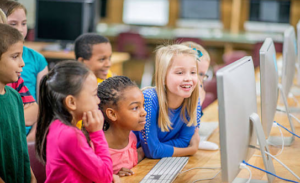
The transition from traditional e-learning to hybrid classrooms is a significant change in the way that education is provided. Modern digital learning increasingly emphasizes integrating technology with in-person interaction rather than replacing instructors and traditional classroom settings. This method gives students more freedom while preserving the practical, social, and collaborative advantages of traditional classroom settings.
■ The Inception of Online Education
As computers became more widely available in companies and educational institutions, e-learning began to take shape. Computer-based training programs, instructional software, electronic documents, CDs, and offline learning resources were the mainstays of early digital education. Without having to attend a typical classroom, students might use computers to obtain courses and activities.
E-learning was greatly increased with the advent of the internet. In order to give students access to lecture notes, assignments, discussion boards, and other materials, educational institutions started building websites and online learning platforms. Because students were no longer solely reliant on physical classrooms or printed materials, learning became more flexible.
■ The Development of Platforms for Online Learning
Learning management systems became a crucial component of digital education as internet availability improved. Moodle, Google Classroom, Blackboard Learn, and Canvas are just a few of the platforms that have made it possible for educational institutions to plan courses, disseminate educational resources, gather assignments, interact with students, and track academic achievement.
Additionally, online learning has spread outside of colleges and universities. Coursera, Udemy, Khan Academy, and other online learning platforms have made it possible for students to acquire academic and professional skills from nearly anywhere. This made it possible for people to study while working or taking care of other obligations, which helped to foster lifelong learning.
■ Mobile Learning’s Ascent
Another significant phase in the development of digital learning was brought about by the increasing use of cellphones. Students could use smartphones and tablets to access educational materials rather than relying on desktop PCs.
Education is now more accessible thanks to mobile learning, especially in areas where smartphones are more prevalent than PCs. Using mobile devices, students can view instructional videos, read digital books, take part in online conversations, finish homework, and interact with teachers. Thru SMS-based services, mobile educational platforms, and messaging apps, mobile learning has also aided education in impoverished nations.
■ The COVID-19 Pandemic and Digital Education
The global adoption of digital learning was expedited by the COVID-19 pandemic. Teachers quickly shifted to online courses, video conferences, digital assignments, and virtual learning environments as schools and colleges were compelled to close their physical campuses.
Learning management systems, Zoom, Microsoft Teams, Google Meet, and other platforms have become crucial resources for sustaining educational initiatives. Although the event revealed important obstacles, it also showed how technology may help education during big interruptions.
Students frequently found it difficult to participate if they lacked electricity, suitable gadgets, dependable internet connections, or sufficient digital abilities. These difficulties underscored the significance of digital inclusion and showed that equal access to high-quality education cannot be ensured by technology alone.
■ Transitioning to Hybrid Classrooms from Completely Online Education
Many educational institutions realized that online learning technology may continue to be beneficial as they returned to traditional classroom settings. The development of hybrid and blended learning approaches was aided by this.
In a hybrid classroom, in-person instruction is combined with online learning resources. For instance, students might attend in-person lectures while having online access to extra resources, class recordings, homework, and tests. While some students attend in person, others may be able to engage virtually via video conference.
While maintaining direct communication between professors and students, this paradigm gives more flexibility than traditional classroom instruction.
■ Artificial Intelligence’s Function
By assisting educators, institutions, and students in enhancing the educational process, artificial intelligence (AI) is emerging as a significant component of contemporary education. AI-powered solutions can offer tailored educational resources, respond to inquiries, provide justifications, and pinpoint areas in which students might require further assistance. As a result, students can study at their own speed and get more individualized instruction.
Additionally, AI can help teachers by cutting down on time spent on repetitive tasks like producing quizzes, preparing lesson plans, grading specific kinds of assignments, and evaluating student performance. AI-generated insights can be used by educators to pinpoint learning gaps and provide effective interventions. However, as human connection, creativity, emotional support, and professional judgment are still necessary for effective education, AI should supplement teachers rather than replace them.
Increasing access to educational resources is another significant use of AI. Students can use AI-based platforms to get explanations and practice problems via digital devices if they have restricted access to teachers, libraries, or specialized learning materials. Responsible use of AI has the potential to increase learning opportunities and support students outside of traditional classrooms in developing nations, especially where educational resources may be unfairly distributed.
■ The advantages of hybrid classrooms
Traditional in-person instruction is combined with online and digital learning in hybrid classrooms. This method gives students more freedom and access to learning materials by enabling them to learn both in-person and online.
》Efficiency of Costs and Resources
Digital resources can eventually lessen reliance on printed materials, even if implementing hybrid learning necessitates investments in technology and internet connectivity. Online platforms can also be used by schools to effectively provide educational resources to a large number of students.
》Future Readiness
Students are prepared for settings where digital and physical work are becoming more interconnected thru hybrid classrooms. Students gain independence, teamwork, communication, time management, and technological skills that will help them in their future academic and professional endeavors.
Digital and Hybrid Learning’s Challenges
》Growth of Digital Proficiency
In hybrid classrooms, students frequently use computers, smartphones, learning platforms, video-conferencing technologies, and internet research resources. These experiences aid in the development of digital literacy and technological abilities, which are becoming more and more crucial in both the modern industry and higher education.
》 Improved Cooperation and Communication
Teachers and students have more options to communicate in hybrid classrooms. Collaboration outside of the classroom can be facilitated by learning management systems, email, online discussion forums, and virtual meetings.
》 Adaptable Education
Flexibility is one of the main advantages of hybrid classrooms. When appropriate, students can access learning resources online or engage in in-person classes. Students can continue their education after regular class hours with the aid of recorded lectures, digital notes, assignments, and instructional videos.
》 Education Continuity
When students are unable to attend class on a regular basis or when physical lessons are temporarily interrupted, hybrid classrooms can support learning. Students can stay engaged to their academics in many ways with the help of online resources and virtual classes.
By enabling students to access teachers, lessons, and learning resources via digital technologies, digital and hybrid learning have revolutionized education. But despite all of their advantages, these methods have a number of drawbacks that could compromise the efficacy, accessibility, and quality of teaching.
》 Absence of Electronic Devices
Devices including computers, laptops, tablets, and smartphones are necessary for digital learning. Some families may have to share a single device among multiple pupils, while others may not be able to afford appropriate equipment for their kids. This makes it challenging to participate in online learning on a regular basis.
》 Exorbitant Data and Technology Costs
For families and students, the cost of digital gadgets, software, electricity, and internet bandwidth can become a major hardship. Students may limit their online activity or steer clear of video classes in nations where internet data is more expensive than household income in order to conserve data.
》 Restricted Access to the Internet
Unreliable or costly internet connectivity is one of the main issues. It may be difficult for students in underserved and rural areas to engage in video conferences, download educational materials, or attend online classes. Students with strong internet connection and those without it may have different learning possibilities due to poor connectivity.
.
》 Having Trouble Keeping Students Involved
Teachers may find it more difficult to keep pupils’ attention when they are learning online. Social media, entertainment, home duties, and other activities might divert students. Some students could struggle to stay disciplined and motivated in the absence of direct classroom supervision.
》 Decreased Social Contact
Students get the chance to interact with one another, collaborate in groups, form friendships, and hone their interpersonal skills in traditional classroom settings. These contacts can be diminished by digital learning, especially in courses that mainly rely on solo online study.
》Inequitable Home Learning Environments
The premise of hybrid learning is that students have access to a conducive learning environment outside of the classroom. Some students, however, have family obligations, live in congested households, or encounter regular disruptions. It may be challenging to focus on online classes and finish tasks under such circumstances.
》 Workload for Teachers
It can take a lot of time to prepare digital and hybrid lessons. In addition to managing both online and in-person students, teachers may also need to generate digital resources, record courses, answer online inquiries, keep an eye on participation, and offer feedback. Stress and decreased teaching effectiveness may result from this workload in the absence of sufficient institutional support.
》 Difficulties with Evaluation
Online student assessments can be challenging. Particularly during unsupervised exams, teachers could find it challenging to ascertain whether students finished homework on their own. As a result, institutions require trustworthy evaluation techniques that both reliably measure learning outcomes and support academic integrity.
》Risks to Privacy and Cybersecurity
Information on students is gathered and stored as part of digital education. Names, academic records, contact information, and other personal data may be found on learning platforms. Strong cybersecurity measures are consequently necessary for schools and other institutions to shield users against fraud, illegal access, and data breaches.
》Information Overload and Digital Distractions
Although students have access to a vast amount of material on the internet, not all of it is reliable or helpful for their education. Learners may become distracted by social media, entertainment platforms, ads, and irrelevant websites. To recognize trustworthy information and make responsible use of technology, students must possess digital literacy abilities.
The Prospects for Digital Education
Physical and digital learning will probably be combined in ever-more-flexible ways in the future of education. More individualized learning experiences could be produced using artificial intelligence, virtual reality, augmented reality, cloud-based learning platforms, interactive educational apps, and data analytics.
But rather than being the entire educational system, technology will continue to be a tool. Qualified instructors, relevant course material, encouraging learning settings, student involvement, and fair access to resources are all necessary for effective learning.
In conclusion
One of the biggest shifts in education is the development of digital learning from simple e-learning to contemporary hybrid classrooms. While internet platforms, smartphones, video conferencing, and artificial intelligence have further revolutionized learning, computers and online resources initially increased access to instructional content.
These days, hybrid classrooms provide a useful blend of traditional education and technology. They maintain the human interaction that is still essential to successful teaching and learning while offering flexibility and digital access. As technology advances, educational institutions should concentrate not only on implementing new technologies but also on making sure that they are responsible, inclusive, accessible, and actually helpful to students.