Learning in a classroom is only one aspect of life education. Learning useful skills, developing character, making wise judgments, and gaining the self-assurance necessary to tackle daily obstacles are all part of this lifetime process. People need more than just academic credentials to flourish in the rapidly evolving world of today. They also require problem-solving skills, emotional intelligence, communication skills, financial awareness, and a positive outlook on lifelong learning.
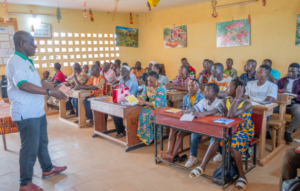
Life education makes you a better version of yourself, whether you’re a parent, young professional, entrepreneur, or student. It gives people the ideals and information needed to make moral decisions, form wholesome bonds with others, and make constructive contributions to society. Anyone can get ready for a better future full of chances and personal development by embracing life education.
Life Education: What Is It?
Recognizing the Significance of Life Education
The process of gaining information, attitudes, values, and useful skills that enable people to lead fulfilling, responsible, and productive lives is known as life education. Life education places more emphasis on practical experiences and personal growth than traditional education, which frequently concentrates on academic subjects.
It instructs people on how to:
These are vital life skills that help people succeed both personally and professionally. Here is a quick description of each:
● Build Healthy Relationships Through empathy, integrity, and cooperation, cultivate trust, respect, and understanding with friends, family, coworkers, and others.
● Communicate with Confidence Clearly state your thoughts, listen intently, and participate in discussions with confidence while honoring differing viewpoints.
● Adapt to Change You can develop and thrive in shifting contexts by remaining adaptable and receptive to new circumstances, opportunities, or difficulties.
● Develop Leadership Qualities Set a good example, make wise choices, resolve issues, and promote collaboration to inspire and mentor others.
● Practice Responsibility and Integrity Take responsibility for your actions, keep your word, behave morally, and exhibit fairness and honesty in both your personal and professional life.
When combined, these life skills enable people to develop strong moral character, enhance interpersonal connections, succeed professionally, and make constructive contributions to their communities.
People who receive life education are better equipped for both meaningful personal lives and prosperous employment.The Significance of Life Education
Developing Robust Character
Character development is one of life education’s biggest advantages. It promotes integrity, decency, compassion, accountability, and self-control. These principles enable people to gain credibility and establish themselves as trustworthy community members.
Developing Decision-Making Capabilities
People make choices every day that have an impact on their relationships, employment, education, and income. Critical thinking and problem-solving techniques are taught in life education, assisting people in carefully weighing their options before making crucial decisions.
Encouraging Emotional and Mental Health
Maintaining mental health requires an understanding of emotions and the acquisition of constructive coping mechanisms. People can overcome obstacles with confidence thanks to life education, which promotes resilience, stress management, self-awareness, and emotional intelligence.
■Crucial Life Skills That Everyone Should Acquire## Interpersonal Skills
In every area of life, effective communication is crucial. Relationships at home, at school, and at business are improved by learning how to listen intently, communicate ideas clearly, and settle disputes amicably.
Knowledge of finance
Effective money management is an important life skill. Budgeting, saving, ethical borrowing, investing, and financial goal planning are all included in life education. These abilities assist people in becoming more financially secure.
Organizing Your Time
Developing effective time management and work prioritization skills boosts output while lowering stress. People can balance work, school, family obligations, and personal interests when they have good time management skills.
Problem-Solving and Critical Thinking
Complex problems in modern life need for careful solutions. Life education empowers people to make wise decisions in changing situations by fostering critical thinking, creativity, and flexibility.
Teamwork and Leadership
While collaboration necessitates cooperation and respect for one another, strong leadership entails leading people with integrity. People who receive life education are better equipped to succeed in both the job and their communities.
The Function of Ongoing Education
After graduation, learning never stops. Lifelong learning is crucial for both professional and personal development because technology, industries, and society are always changing.
Ongoing education could involve:
These are great examples of activities that support personal growth and ongoing learning.
●To increase understanding and stay up to date on new concepts, read books and instructional articles.
●Enrolling in online courses to acquire professional expertise, certifications, and new abilities.
To be competitive in the quickly evolving workplace of today, one must learn new technology.
●Attending seminars and workshops to learn from experts, network with professionals, and develop practical skills.
●Taking up new interests to foster creativity, enhance problem-solving skills, and preserve a positive work-life balance.
●Seeking mentorship from seasoned experts to get direction, career counsel, and insightful information about the sector.
When combined, these activities assist people in expanding their knowledge, strengthening their professions, adapting to change, and achieving long-term success in both their personal and professional lives.
In the quickly evolving world of today, people who embrace lifelong learning stay flexible and competitive.# How Career Success Is Supported by Life Education
Soft skills are becoming more and more important to employers in addition to technical expertise. Many sectors place a great value on communication, teamwork, leadership, flexibility, and problem-solving skills.
People who receive life education are better equipped to:
These are crucial workplace competencies described in an understandable and expert manner:
Work Well in Diverse Environments
》Working well with individuals from various cultures, origins, ages, views, and experiences is essential to performing well in diverse environments.
》It entails being inclusive, speaking effectively, appreciating diversity, and working together with coworkers to accomplish common objectives.
》Positive, creative, and productive work environments are enhanced by employees who welcome diversity.
Adjust to Shifting Workplace Needs
》Being adaptable and open to picking up new abilities, tools, and procedures when workplace demands change is essential to adjusting to shifting job requirements.
》To stay useful and productive, it entails adapting well to organizational changes, taking on new tasks, coming up with innovative solutions to issues, and constantly expanding one’s professional expertise.
Establish Business Connections
Developing trust, respect, and efficient communication with coworkers, managers, clients, and other stakeholders are all part of building professional relationships. Teamwork, honesty, active listening, dependability, and mutual support are the foundations of strong working partnerships. These connections enhance teamwork, professional development, and general success at work.
These skills increase employability and open doors for long-term professional growth.#Building a Better Future thru Life Education
When people are responsible, empathetic, and educated, communities flourish. Respect for diversity, community service, environmental responsibility, and active citizenship are all encouraged by life education.
Families, schools, businesses, and governments all contribute to the creation of societies where individuals are empowered to assist one another, make constructive contributions, and strive for sustainable development by funding life education.
Conclusion
A better future, lifetime success, and personal development are all based on life education. By imparting useful skills, moral principles, emotional fortitude, and responsible decision-making, it transcends textbooks. People become more equipped to handle life’s obstacles and take advantage of new chances as they continue to learn, develop, and adapt.
Anyone may become more self-assured, enhance relationships, succeed in their job, and make a significant contribution to society by embracing lifelong learning and acquiring fundamental life skills. Learning never really ends, and every action done now contributes to a better tomorrow.